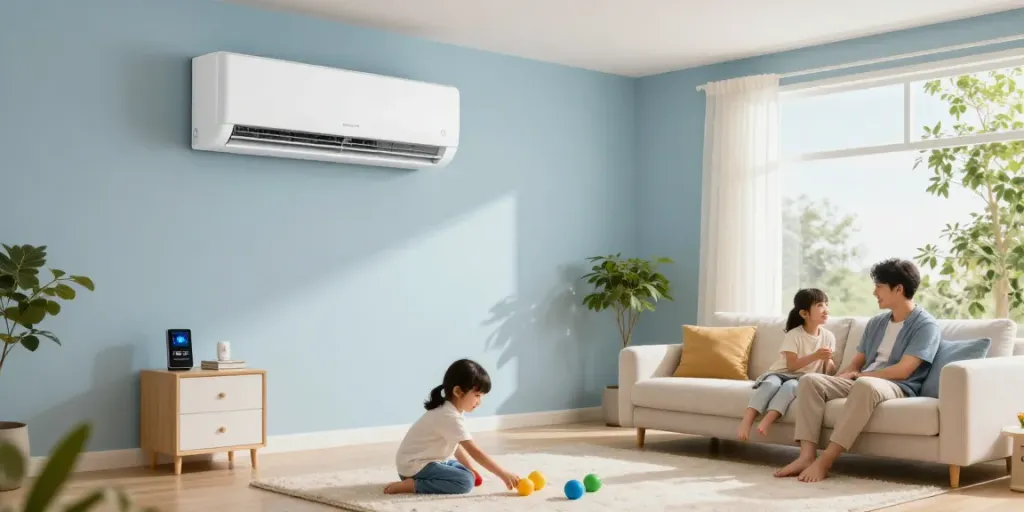
Understanding Ductless Air Conditioners
Ductless air conditioners, also known as mini-split systems, are rapidly gaining popularity for their flexibility and efficiency in cooling spaces without the need for traditional ductwork. These systems comprise an indoor unit and an outdoor compressor, allowing for a more targeted approach to temperature control. When exploring options, ductless air conditioner systems provide comprehensive insights into energy-saving technologies that cater to modern needs.
What is a Ductless Air Conditioner?
A ductless air conditioner is a heating and cooling system that utilizes two main components: an outdoor compressor and one or more indoor air handlers. Unlike traditional central HVAC systems, which rely on extensive ductwork to distribute conditioned air, ductless systems deliver air directly into individual rooms. This design not only simplifies installation but also enhances energy efficiency since you can cool or heat specific areas based on usage.
How Ductless Systems Compare to Traditional AC
When comparing ductless air conditioners to traditional central AC systems, several key differences emerge:
- Installation: Ductless systems require only a small hole to connect the indoor and outdoor units, making them easier and less invasive to install.
- Energy Efficiency: Ductless systems are often more energy-efficient, as they do not suffer from energy loss through ductwork, which can account for up to 30% of energy consumption in traditional systems.
- Zone Control: Ductless units allow for zoning, meaning you can adjust the temperature in specific areas without affecting other parts of your home.
Key Components of Ductless Air Conditioners
The essential components of a ductless air conditioning system include:
- Outdoor Compressor: This unit houses the condenser and compressor, which work together to dissipate heat from the refrigerant.
- Indoor Air Handlers: These units are installed in each room or zone, where they distribute cool or warm air.
- Refrigerant Lines: Copper lines transport refrigerant between the indoor and outdoor units, facilitating heat exchange.
Benefits of Ductless Air Conditioners
Energy Efficiency and Cost Savings
Ductless air conditioners are renowned for their energy efficiency. Unlike central air systems that can waste considerable energy through leaky ducts, ductless systems provide direct cooling to the spaces being used. This results in lower energy bills and a reduced carbon footprint, making them an environmentally friendly choice for homeowners.
Flexible Installation Options
The installation flexibility of ductless air conditioners is one of their standout benefits. They can be mounted on walls, placed on floors, or even suspended from ceilings, accommodating various room configurations and aesthetic preferences. This versatility makes them ideal for homes with architectural constraints or for retrofitting older buildings where adding ductwork may be impractical.
Improved Air Quality and Comfort
Since ductless systems do not use ducts, they avoid the common pitfalls associated with duct systems, such as dust and allergens circulating in the air. This can lead to improved indoor air quality, making these systems particularly beneficial for individuals with allergies or respiratory conditions. Additionally, the ability to control the temperature in each zone enhances comfort levels, as occupants can set their preferred climate conditions.
Installation and Maintenance
Steps for Installing a Ductless Air Conditioner
Installing a ductless air conditioner typically involves the following steps:
- Choose the location for the indoor air handlers to ensure optimal air distribution.
- Install the outdoor compressor unit in an accessible location with adequate airflow.
- Run refrigerant lines and electrical connections between the indoor and outdoor units.
- Mount the indoor air handlers securely and connect them to the refrigerant lines.
- Test the system to ensure it operates correctly and efficiently.
Common Maintenance Tips
To keep a ductless air conditioning system running efficiently, regular maintenance is essential. Here are some tips to consider:
- Clean or replace the filters regularly to ensure unobstructed airflow.
- Inspect and clean the outdoor unit to prevent debris buildup.
- Check the refrigerant levels and inspect for leaks annually.
- Schedule a professional tune-up every few years to maintain optimal performance.
Hiring Professionals vs. DIY Installation
While some homeowners may consider installing a ductless air conditioner themselves, hiring professionals is generally recommended. Professional installers have the expertise to ensure that the system is set up correctly, maximizing efficiency and lifespan. Additionally, improper installation can lead to costly repairs down the line, making professional installation a worthwhile investment.
Challenges and Considerations
Limitations of Ductless Air Conditioning Systems
Despite their many advantages, ductless air conditioners do have some limitations:
- Initial Costs: The upfront cost of ductless systems can be higher than traditional AC units, although this is often offset by long-term savings on energy bills.
- Aesthetic Concerns: Some homeowners may find the appearance of indoor air handlers unappealing, though modern designs have become more discreet.
- Temperature Variation: In larger homes, multiple units may be necessary to maintain consistent temperatures across all spaces.
Common Misconceptions About Ductless Units
Several misconceptions about ductless air conditioning systems persist:
- They Don’t Provide Enough Cooling: Many homeowners believe ductless systems are inadequate for cooling larger spaces. However, with proper sizing and zoning, they can effectively cool even large areas.
- They Are Noisy: While older models may have been loud, current ductless systems are designed for quiet operation, making them suitable for bedrooms and living spaces.
Future Trends and Innovations in Ductless Technology
As technology evolves, ductless air conditioning systems are becoming increasingly advanced. Expect to see innovations such as:
- Smart Controls: Integration with smart home systems allows users to control temperatures remotely and optimize energy usage.
- Enhanced Energy Efficiency Ratings: Ongoing improvements in compressor technology and refrigerants are set to further reduce energy consumption.
- Air Purification Features: Some modern units come equipped with advanced filtration systems to improve indoor air quality.
Cost and Value Assessment
Initial Costs vs. Long-Term Savings
Evaluating the cost of a ductless air conditioner requires considering both initial investment and long-term savings. While the upfront cost can be significant, the energy efficiency these units offer often results in lower utility bills over time. Additionally, many ductless systems are eligible for energy rebates, which can offset costs further.
Financing Options for Ductless Air Conditioning
Many homeowners may seek financing options when purchasing a ductless air conditioning system. Numerous lenders offer specific financing deals for HVAC installations, including low-interest loans or installment payment plans. It is advisable to research local incentives and programs that may provide financial assistance for energy-efficient upgrades.
How to Choose the Right System for Your Home
Choosing the right ductless air conditioner involves assessing several factors:
- Size: Ensure the system is appropriately sized for the space to avoid inefficiency.
- Efficiency Ratings: Look for models with high SEER (Seasonal Energy Efficiency Ratio) ratings for better performance.
- Features: Consider options for smart connectivity, multi-zone capability, and enhanced filtration.
Are ductless air conditioners any good?
Yes, ductless air conditioners are a highly effective solution for heating and cooling. They offer flexibility, efficiency, and improved air quality, making them suitable for a variety of residential applications.
How much does it cost to install a ductless AC unit?
The installation costs for ductless AC units can vary widely based on factors such as the system's size and the complexity of the installation. Generally, homeowners can expect to pay between $3,000 and $5,000 for a complete system installation.
What are the downsides of a mini split AC system?
Some downsides include higher initial costs compared to window units and potential aesthetic concerns with indoor air handlers. Additionally, multiple units may be needed for larger homes, which can increase overall expenses.
Is it cheaper to run a mini split or central AC?
Typically, mini split systems are cheaper to operate due to their energy efficiency and the ability to only cool or heat specific zones when needed. Over time, this can lead to significant savings on energy bills.
What maintenance do ductless systems require?
Maintenance for ductless systems is relatively low but should include regular filter checks, cleaning the outdoor unit, and periodic professional inspections to ensure all components are running efficiently.